Skip to content



8 Myths About Oral Health. Oral health is a topic surrounded by numerous myths and popular beliefs. All too often, these misconceptions negatively affect how people care for their teeth and gums. In this article, we aim to debunk some of the most common myths associated with oral health, helping you better understand what is true — and what is pure fiction.Oral health is a topic surrounded by numerous myths and popular beliefs which, all too often, negatively affect how people care for their teeth and gums. In this article, we aim to debunk some of the most common myths associated with oral health, helping you better understand what is true and what is pure fiction.
Bouche Dental Group is a network that works with specialised dentists in Luxembourg, helping patients connect with top professionals and ensuring that each case receives the appropriate care.

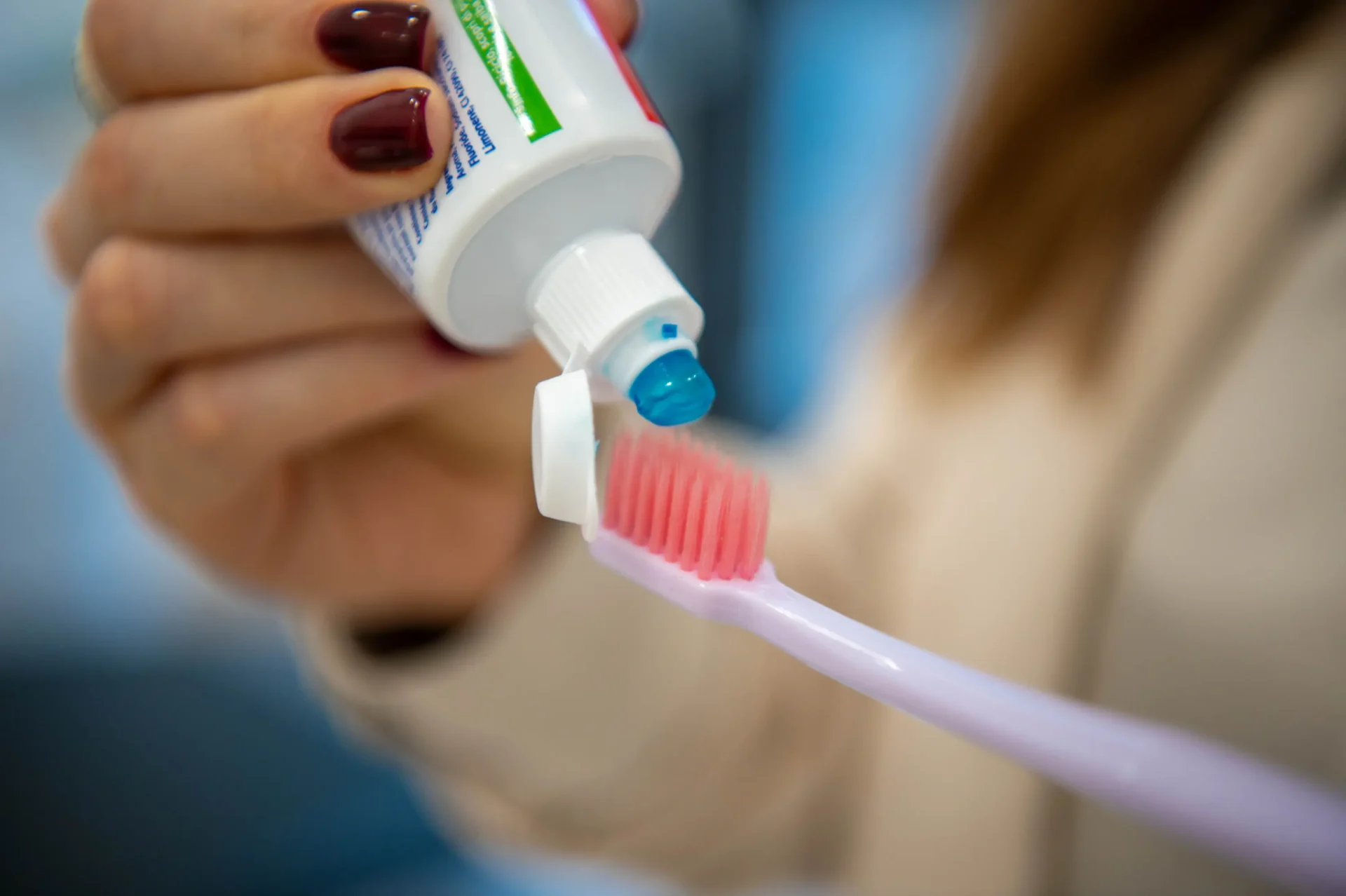
Many people believe that brushing their teeth forcefully is necessary for effective oral hygiene. However, this habit can actually be harmful. Aggressive brushing wears down the tooth enamel and can lead to gum recession, exposing the roots of the teeth and making them more sensitive.
The ideal approach is to use a soft-bristled toothbrush and brush gently, using circular motions, for at least two minutes twice a day. Proper technique is more important than the amount of force applied.
Tooth colour is not always an indicator of oral health. While naturally white teeth can be healthy, many healthy teeth have a slightly yellowish tint due to the natural presence of dentine beneath the enamel. Additionally, whitening procedures can make teeth appear whiter, but that doesn’t necessarily mean they are healthy.
Oral health should be assessed based on factors such as the absence of cavities and gum disease, and on good daily hygiene practices—regardless of tooth colour.
This belief is one of the main reasons why many oral problems become serious before being treated. Regular dental check-ups are essential for preventing issues like tooth decay, gingivitis, and periodontitis—even if no obvious symptoms are present.
Prevention is the best treatment. It is recommended that patients schedule routine check-ups at least twice a year in order to identify and address potential problems early.
Mouthwashes can be helpful as a complement to daily oral hygiene, but they should never replace brushing and flossing. While they may help reduce bacteria and provide fresh breath, they are not effective at removing the oral biofilm that builds up on teeth.
Flossing is crucial for removing food particles and plaque between the teeth—areas a toothbrush cannot reach. For proper oral hygiene, all of these practices must be combined.

Although dental implants are a long-lasting and effective solution for replacing missing teeth, they are not indestructible. Like any other treatment, they require specific care and proper maintenance.
Strict oral hygiene and regular dental visits are essential for ensuring the longevity of implants. Additionally, factors such as bruxism (teeth grinding) or gum disease can affect how long implants last.
While excessive sugar intake is a major factor in the development of cavities, it’s not the only one. Carbohydrates found in foods like bread, potatoes, or rice can also contribute to decay.
What matters most is the frequency and duration of the teeth’s exposure to these foods. Proper oral hygiene after meals is crucial to prevent the formation of plaque.
Bleeding gums are often a sign of inflammation, usually caused by plaque build-up. Avoiding brushing in the affected area only worsens the problem.
On the contrary, it is important to maintain proper oral hygiene, using a soft-bristled toothbrush and dental floss. If the bleeding persists, you should see a dentist to assess the condition.
While poor oral hygiene is a common cause of bad breath, other factors can also be responsible. Gastrointestinal problems, respiratory infections, and even certain medications may contribute to halitosis.
If bad breath continues despite good oral hygiene habits, it is important to explore other possible causes with a healthcare professional.
Debunking myths about oral health is essential to encourage proper habits and ensure a healthy smile. It is vital to rely on accurate information and visit a dentist regularly for personalised advice.
Bouche Dental Group helps you find the best dental specialists in Luxembourg, ensuring you receive informed and appropriate care. Don’t let myths compromise your oral health. Get informed and take care of your smile with the best professionals.